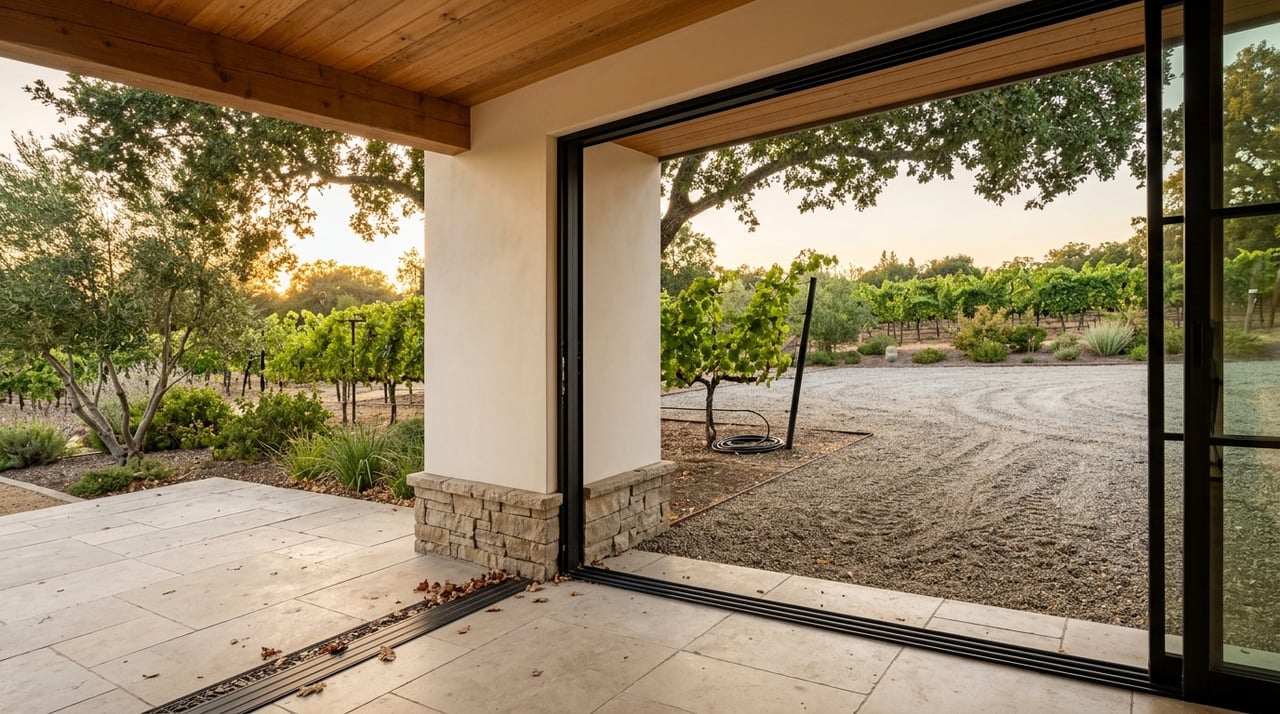
If you are shopping for rural land or a vineyard in Paso Robles, it is easy to focus on views, vines, and acreage. But in this market, water, permitting, and access can matter just as much as the purchase price. A property that looks ideal on paper may come with limits on wells, new construction, septic capacity, or future agricultural use. This guide walks you through the key due diligence items to review before you remove contingencies. Let’s dive in.
Start With Water First
In Paso Robles, rural property due diligence starts with water. The Paso Robles Groundwater Basin covers about 436,000 acres, is classified as a High Priority basin under SGMA, and is managed by multiple local groundwater sustainability agencies.
That matters because buying acreage here is often a water-and-permitting decision first, and a real estate decision second. The county also provides a parcel-searchable basin map, which can help you confirm whether a specific property sits within the basin.
Understand Water Rights
California treats groundwater rights and surface-water rights differently. According to the State Water Resources Control Board, overlying groundwater rights generally apply when groundwater is used on land over the basin, while appropriative rights apply when the water is used elsewhere.
Surface-water use after 1914 generally requires State Water Board approval unless a riparian right applies. For a vineyard or agricultural buyer, this is a major issue because permanent crops depend on long-term supply certainty, not just the presence of land.
Review Basin Rules Carefully
County rules in the basin add another layer of review. San Luis Obispo County states that land divisions and General Plan Amendments that increase water demand are prohibited, and all new construction and new irrigated crop production must offset new water use at a 1:1 ratio under the Paso Robles Groundwater Basin program.
The county also says properties in the basin need water-offset credits before permits are issued for new development, including homes, guest houses, commercial buildings, and pools. If you are planning to build or expand, this should be one of your first questions, not something you leave for later.
Verify Well History And Obligations
If the property has a well, or will need one, you should confirm more than just whether it exists. You want to understand permit history, pumping details, usage obligations, and whether the well setup matches your intended use.
For certain development in the basin, the county requires a well meter, county verification before building-permit issuance, and monthly usage records kept by the owner or a designated party. For agricultural wells, the county also requires verification of agricultural offset compliance before Environmental Health can issue a well construction or modification permit, as outlined on the county’s well requirements page.
Compare Seller Information To Public Records
A smart next step is to check both county and state records. San Luis Obispo County’s Water Well Data dashboard includes weekly updated permit data and a one-mile search for completed well construction records.
You can use those records to compare a seller’s statements with permit history and nearby well information. That can help you spot gaps early, especially if the property will need to support a home plus irrigation.
Test Water Quality And Capacity
The county is clear that private well water is not regulated or monitored by outside agencies. The owner is responsible for making sure the water is safe, and domestic wells intended to serve habitable buildings must meet state drinking-water standards, according to county well program guidance.
Before removing contingencies, confirm:
- Well depth
- Recovery rate
- Pump condition
- Storage capacity
- Water quality
This is especially important if you want a property that can support both residential use and agricultural irrigation.
Confirm Septic And Wastewater Capacity
On many rural properties, septic can become a hidden buildability issue. A parcel may have a functioning system today, but that does not always mean it supports your future plans.
San Luis Obispo County’s Local Agency Management Program allows the county to permit and approve septic systems locally after Regional Water Board approval. The purpose is to protect groundwater and surface water from contamination.
Inspect Existing Septic Systems
If a septic system already exists, ask for documentation early. The county uses an Existing Septic Verification form and a Septic Tank Inspection Report, and it says a licensed septage hauler should inspect the system when the tank is pumped. The county also encourages pumping and inspection every 3 to 5 years under its septic system operation and maintenance guidance.
If you plan to expand the home, add guest quarters, or modify site improvements, the septic system should be evaluated early. The county requires documentation and a plot plan for certain changes.
Match Wastewater To Future Use
Larger or nonstandard systems may require more than local review. The Central Coast Regional Water Quality Control Board notes that every new or replacement septic system needs a permit through the local jurisdiction or the Water Board, depending on the system type and size.
This is especially important if you are considering future uses beyond a single residence. A property that seems flexible may not have the wastewater capacity for higher-load uses.
Check Access, Easements, And Roads
A visible driveway is not the same as legal access. For rural Paso Robles property, access should be confirmed through recorded documents, maps, and the actual condition of the road.
San Luis Obispo County’s Official Records search and county mapping tools can help you review easements, parcel maps, records of survey, right-of-way plans, and related documents. That paper trail can show whether access is public, county-maintained, or private.
Ask Who Maintains The Road
Road condition affects both cost and usability. The county’s Cooperative Road Improvement Program exists because some unpaved county-maintained roads need upgrades to reach county standards.
Before you close, ask:
- Who maintains the road?
- Is there a road association?
- Are there shared costs?
- Is access realistic in winter?
- Can emergency vehicles reach the property year-round?
These answers can shape your actual ownership costs more than buyers expect.
Verify Zoning And Allowed Uses
Rural property often comes with plans attached to it. You may want a home, vines, a barn, an accessory structure, or future agricultural improvements. None of that should be assumed.
The county’s Land Use View tool is the place to research a parcel by APN and confirm zoning, allowable uses, and permit requirements. The county also notes that some agricultural accessory buildings can be exempt from a building permit, but separate construction or grading permits may still apply.
Understand Agricultural Compatibility
County materials state that crop production is generally allowed anywhere in the unincorporated county, grazing is broadly allowed outside urban and village reserve areas, and agricultural processing requires a permit and may be limited to appropriate locations. The county’s Right-to-Farm handout also explains that dust, noise, odor, and routine agricultural operations may be lawful.
If you are buying for lifestyle as much as land use, this is worth understanding before you commit. Neighboring farm activity may be part of normal rural life and may not be fully avoidable.
Review Vineyard Management Requirements
If you plan to manage vineyards or orchards using restricted materials, there may be another layer of compliance. San Luis Obispo County requires a restricted materials permit to purchase, use, and store restricted pesticides.
This is a common surprise for smaller vineyard buyers who assume agricultural chemical use is handled the same way as standard home-garden products. If vineyard operations are part of your plan, confirm what applies before closing.
Evaluate Fire Exposure Early
Fire risk is a separate due diligence item, not just a maintenance concern. In rural areas around Paso Robles, access, vegetation, and outbuilding layout all matter.
CAL FIRE states that 100 feet of defensible space is required by law. Its guidance also emphasizes clearing dead vegetation, maintaining spacing, and keeping clear areas around structures, propane tanks, and outbuildings.
When you tour a property, look beyond the home itself. You should evaluate driveway width, turnaround space, slope, vegetation, and whether emergency access seems practical throughout the year.
Use A Pre-Contingency Checklist
Before you remove contingencies on a rural or vineyard property in Paso Robles, try to have a clear file on the basics. This can save you from learning expensive facts after closing.
A practical checklist includes:
- APN and zoning printout from Land Use View
- Recorded title report and any easements or parcel maps
- Well permit history and nearby well records
- Proof of any required water-offset credits
- Confirmation of any well-meter obligations
- Septic inspection and verification package
- Field review of road access and defensible space
These are not minor details. In Paso Robles, they are often the difference between a property that fits your goals and one that creates avoidable delays, extra cost, or use limits.
If you are considering a ranch, vineyard, or rural purchase in Paso Robles, working with a local team that understands acreage, access, water constraints, and specialty property review can make your search more efficient. To talk through your goals and next steps, connect with Invest SLO.
FAQs
What should you verify first when buying rural property in Paso Robles?
- Start with water supply, basin status, and any offset or permitting requirements because those can affect buildability, irrigation, and future improvements.
How do you check zoning for a Paso Robles rural parcel?
- Use the county’s Land Use View tool to look up the parcel by APN and confirm zoning, allowed uses, and permit requirements.
Why does a well need extra review on Paso Robles acreage?
- Well history, water quality, recovery, meter requirements, and agricultural offset rules can all affect whether the property supports your planned residential or agricultural use.
What septic questions should you ask before buying vineyard property in Paso Robles?
- Ask for septic verification, inspection records, pumping history, and whether the current system can support any additions or future changes you may want.
How do you confirm legal access to a rural property in San Luis Obispo County?
- Review recorded documents, easements, parcel maps, and road information through county records rather than relying only on what appears visible on site.
What fire safety issue matters most for rural Paso Robles buyers?
- Confirm defensible space, driveway access, and whether emergency vehicles can realistically reach the property throughout the year.