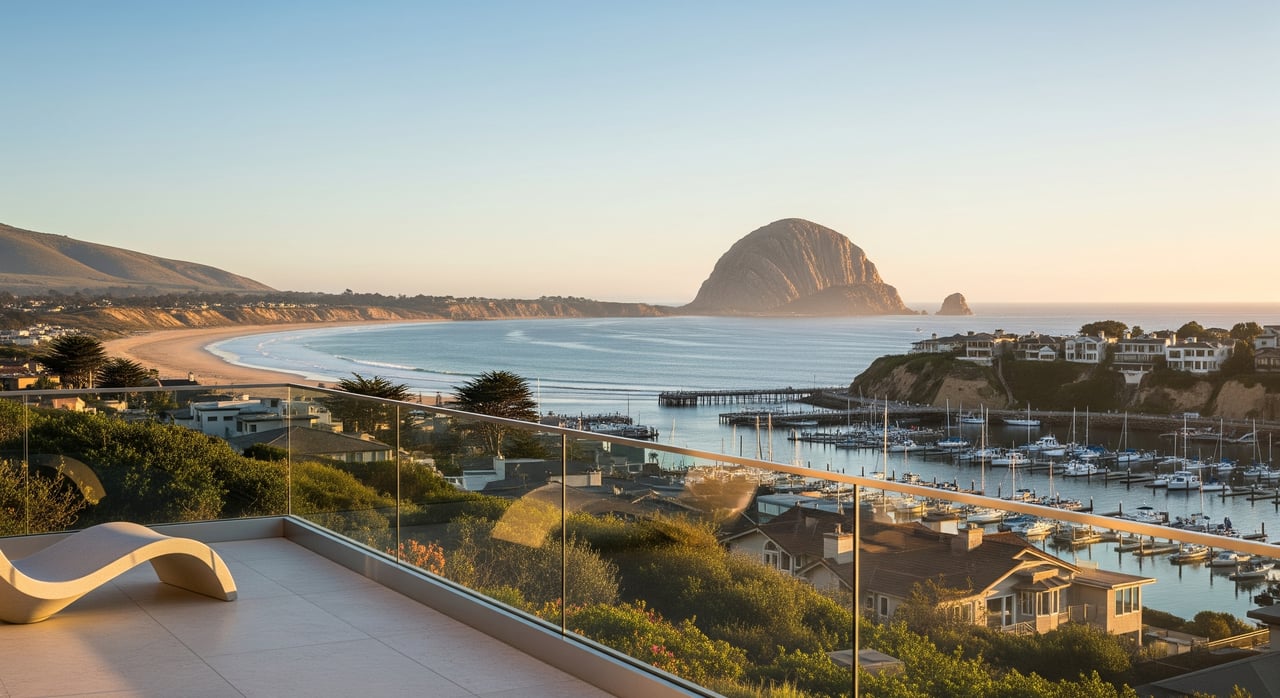
Choosing between Morro Bay’s beach, heights, or harbor neighborhoods can feel like picking a favorite view. You might want daily sand time, calm harbor strolls, or a quiet hillside deck with panorama views. Each area offers a different lifestyle, microclimate, and set of tradeoffs. In this guide, you’ll compare the three zones side by side, learn what to verify before you tour, and map out a smart route to see your top fits. Let’s dive in.
Morro Bay at a glance
Morro Bay is a compact coastal city centered on Morro Rock, the Embarcadero, and a protected harbor and estuary. The beach and open Pacific sit to the west, while hillside neighborhoods rise to the east and southeast. This geography creates three clear living zones: beach-adjacent, harbor and Embarcadero, and the hillside “heights.”
You’ll notice distinct differences in views, wind and fog, walkability, and home styles across just a few blocks. Because it is coastal, you should also expect extra attention to permitting, maintenance, and insurance. Keep those themes in mind as you compare areas below.
Beach-adjacent living
If you want the sand within minutes of your door, the beach-adjacent zone lines the strand and low-lying ocean-facing blocks. Many homes here catch unobstructed Pacific vistas and surf action. Morro Rock may show in parts of the strand, but ocean exposure is the main draw.
The microclimate is the coolest and breeziest in town. Morning and evening fog can be frequent, and onshore winds are stronger. Salt spray and humidity increase wear on paint, metal, and decks, so plan for more frequent exterior upkeep.
Walkability to the sand is excellent, and you can often bike or stroll to downtown and the Embarcadero depending on your exact block. Parking near popular beach access points can be tight during peak times. Daily life feels casual and outdoorsy.
Typical homes range from small mid-century beach cottages and bungalows to newer oceanfront condos or replacements on infill lots. Lots tend to be smaller near the strand, and many older structures have seen remodels.
- Pros: beach lifestyle, quick surf and pet walks, strong scenery and fresh air.
- Cons: higher exterior maintenance, potential for storm surge exposure in low-lying spots, stricter coastal permitting, and possible insurance impacts.
- Best for: buyers who value daily ocean access, second-home owners with potential rental goals, and downsizers who prefer flat walking terrain.
Harbor and Embarcadero life
Harbor-proximate properties center on the Embarcadero, downtown edges, Coleman Drive, and neighborhoods that face the inner bay. Views are intimate and dynamic: boats, marinas, and the bay with Morro Rock in sight from many vantage points. Sunsets can be dramatic across the estuary.
You are still coastal here, but the harbor’s orientation generally softens direct ocean wind. Fog is still present yet can be less persistent in pockets compared with the strand. The feel is lively and connected.
Walkability is the highest to dining, galleries, boat launches, and visitor services. Streets near the Embarcadero can be narrow with on-street parking and seasonal crowds. If you love stepping out for coffee or a sunset stroll along the water, this is your zone.
Housing includes waterfront condos, mid-century single-family homes, remodeled cottages, mixed-use buildings, and some dockside or floating options. Expect some properties with limited private outdoor space.
- Pros: immediate access to boating and restaurants, very walkable, strong lifestyle convenience.
- Cons: seasonal noise and traffic, harbor or slip fees for boat-related properties, localized flooding during storms, and less yard space.
- Best for: boat owners, buyers who want a walk-to-dinner lifestyle, and investors evaluating income potential. Always verify local short-term rental rules first.
Heights and hillside homes
The heights sit on the east and southeast slopes above downtown and the harbor. Elevation creates broad panoramic views, often capturing the ocean, harbor, and Morro Rock from one vantage point. Many homes are oriented to maximize these view corridors.
The microclimate tends to be slightly warmer with less persistent fog than the strand in many summer afternoons. Breezes are still part of coastal living, and conditions can vary block by block based on slope and orientation.
Walkability to the Embarcadero or beach is more limited due to elevation and distance. You will rely on a car for many errands, and some streets are winding with fewer sidewalks. In return, you get a quieter, residential feel.
Housing is largely single-family with a blend of original mid-century homes and newer custom builds that capitalize on views. Lots are often larger than near the water, and garages or driveways are more common.
- Pros: privacy, larger yards, expansive multi-room views, and a calm neighborhood vibe.
- Cons: steeper driveways and stairs, narrower streets in places, longer trips to shops, and higher construction costs for slope work.
- Best for: buyers who prize privacy and panoramas, and those willing to trade walkability for space and views.
Quick compare by priority
Views
- Beach: front-row Pacific with surf action. Morro Rock visibility varies by block.
- Harbor: boats, marinas, and Morro Rock across the bay. Dramatic waterfront sunsets.
- Heights: sweeping, multi-direction panoramas from elevation, often the broadest composite views.
Wind and fog
- Beach: strongest wind and marine layer. Coolest daytime highs.
- Harbor: somewhat more sheltered, still marine influenced.
- Heights: slightly warmer and less fog-prone than the strand in many afternoons.
Walkability
- Beach: very walkable to sand, variable distance to downtown and Embarcadero.
- Harbor: highest walkability to dining, shopping, and boating.
- Heights: car dependent due to slope and distance.
Space and privacy
- Beach: smaller lots near the strand, cottage scale.
- Harbor: mixed, with many condos or compact lots.
- Heights: larger lots and quieter streets, more private outdoor space.
Maintenance and insurance
- Beach: highest exterior wear from salt and wind. Flood insurance may apply for some low-lying parcels.
- Harbor: marine maintenance plus possible harbor or slip fees. Localized flood and wake exposure in storms.
- Heights: less surge risk, but slope stability and drainage matter on steep sites.
Permitting and risk
- Beach and Harbor: coastal permits and review are common for new builds or major remodels. Factor in timelines and setbacks near the beach and estuary.
- Heights: geotechnical review and engineered solutions may be needed for slope work.
What to verify before you tour
Coastal homes carry unique considerations. Before touring, line up your key checks.
- Flood and hazards: confirm whether the address sits in a FEMA flood zone or local coastal hazard area. Ask about any past flooding or claims.
- Permitting: understand California Coastal Commission oversight and local coastal permit requirements for remodels or new construction near the shoreline.
- Insurance: get estimates for property, flood if required, and any marine-related coverage for harbor slips or structures.
- Utilities: verify city sewer and water. Confirm there are no utility liens and note any planned infrastructure work.
- Construction: for hillside sites, ask about engineering, retaining walls, and drainage. Review any geotechnical reports.
- Comps: compare recent sales for similar orientation and size, since ocean, harbor, and hillside premiums vary by micro-location.
Smart touring routes
Seeing each zone the same day helps you feel real differences in weather, noise, and walkability.
Beach-first loop
- Start at Morro Strand State Beach access to feel wind and fog patterns.
- Drive the strand and adjacent blocks. Park and walk a few corners to check parking and foot traffic.
- Finish near the Embarcadero for lunch to gauge how easy it feels to move between beach and downtown.
Harbor day loop
- Walk the Embarcadero in the morning to experience crowds and parking in a typical busy window.
- Tour harbor-front listings and marinas to understand slip access and HOA or association rules.
- Return for late-afternoon harbor views and sunset light.
Heights and views loop
- Start downtown, then drive up several hillside streets to sample different elevations.
- Park and walk short blocks to evaluate slopes, stairs, and sidewalks.
- Stand in likely living spaces to preview morning light, afternoon glare, and privacy.
Pro tip: visit at different times of day. Morning fog, midday breezes, and evening traffic can shift the feel of a home.
Buyer checklists you can bring
For any property
- Is the home in a FEMA flood zone or local coastal hazard area? Any past flooding or claims?
- City sewer and water confirmed, or is there a private system? Any known utility issues or liens?
- Any California Coastal Commission or local permit constraints, recorded easements, or public access requirements?
- If there is an HOA or harbor agreement, what are the fees and rules?
- Recent comparable sales for similar orientation and size in the last 6 to 12 months?
- Insurance estimates for property and flood, if applicable?
- Maintenance history for roof, siding, and decks since salt exposure accelerates wear?
For beach buyers
- First finished floor elevation relative to historic high tides and storm surge?
- Any sea wall, erosion protection, or nearby shoreline projects?
For harbor buyers
- If a slip is mentioned, is it deeded or leased? What are fees, rules, and insurance needs?
- How do small-boat wakes and seasonal tides affect the property?
For heights buyers
- Were hillside improvements engineered? Are there geotechnical reports on slope stability and drainage?
- How steep are driveway and stairs, and do they fit your daily routine?
For investors and STR buyers
- What are current Morro Bay short-term rental permit and registration requirements? Any neighborhood caps or restrictions?
- Expected transient occupancy tax obligations and compliance steps?
Which zone is right for you?
Choose based on your daily rhythms and risk tolerance. If the ocean is your backyard gym, the beach zone is hard to beat. If you want to walk to dinner and keep a boat close by, the harbor area offers convenience and a lively scene. If privacy and panoramic views make your heart set, the heights deliver space and quiet.
You do not have to pick alone. A local, process-driven team can align view preferences, maintenance comfort, and permitting realities with real listings and off-market opportunities. If you want a custom tour plan or access to options before they hit the MLS, connect with Invest SLO.
FAQs
Which Morro Bay area offers the best panoramic views with privacy?
- Heights and hillside neighborhoods often provide the broadest, most private panoramas due to elevation and larger lots.
Are harbor-front homes less windy than beach properties in Morro Bay?
- Many harbor-facing pockets are somewhat more sheltered from direct ocean wind, though marine breezes still shape daily weather.
How walkable are Morro Bay’s three zones to dining and shopping?
- Harbor and Embarcadero areas are the most walkable, beach blocks vary by location, and heights neighborhoods are generally car dependent.
Do beachfront or harbor homes have higher insurance or permitting costs?
- Properties close to the shoreline often face stricter coastal permits and may require flood insurance, while hillside homes focus more on geotechnical and slope considerations.
What is a good fit for families, retirees, or second-home buyers in Morro Bay?
- Families and privacy seekers often prefer the heights, retirees may favor beach or harbor walkability, and second-home buyers choose beach or harbor for lifestyle and potential income, subject to local rules.
How do tourist seasons affect living near the Embarcadero or beach?
- Expect higher foot traffic, tighter parking, and more noise in peak seasons near the Embarcadero and popular beach access points.
Can a Morro Bay home include a boat slip, and what extra costs apply?
- Some harbor properties include or lease slips; plan for association rules, slip fees, and specialized maintenance and insurance.